From the magazine
Human NaturePhilosophy Basics

Explore the library
Plain-English guides to the philosophers, ideas and movements that shaped how we think.
Most read in the library
What readers are looking up this week.
From the magazine
Ideas from philosophy at work in real lives, studies and decisions.
The Good Life →
In 2023 the heads of OpenAI and Google DeepMind signed a warning that ranked AI's extinction risk alongside pandemics and nuclear war, yet in a 2025 Pew survey half of Americans said AI will worsen people's ability to form meaningful relationships, and only 5% expected it to improve

Research suggests people whose social circles shrink in their 60s and 70s aren’t losing their social lives. Stanford researchers who tracked adults for more than a decade found that as people sense their time is limited, they keep the relationships that matter most and grow happier with age.
Human Nature →
For 50 years, Kitty Genovese's 1964 murder was the story of 38 neighbors who did nothing. Then the New York Times admitted the number was grossly exaggerated, and that one neighbor, Sophia Farrar, had run out and held her in her arms until help came.

Parents are only as happy as their least happy grown child. Research suggests one adult child who is struggling can weigh on a parent for years, and the other kids’ successes don’t make up for it.
Lives & Ideas →
Descartes said animals were machines. Scientists now say the question isn't whether they feel.
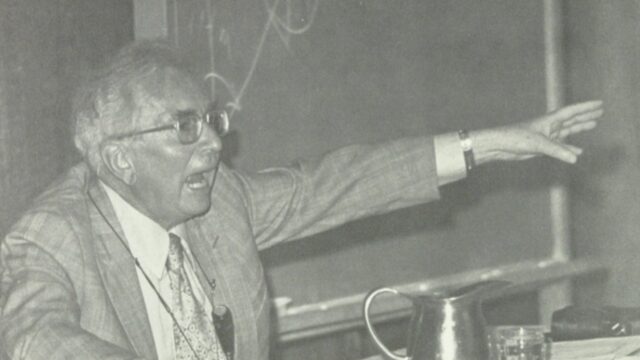
In 1946, about a year after leaving the Nazi camps, psychiatrist Viktor Frankl dictated a short book in nine days and wanted it published without his name. By his death in 1997, Man's Search for Meaning had sold over 10 million copies.
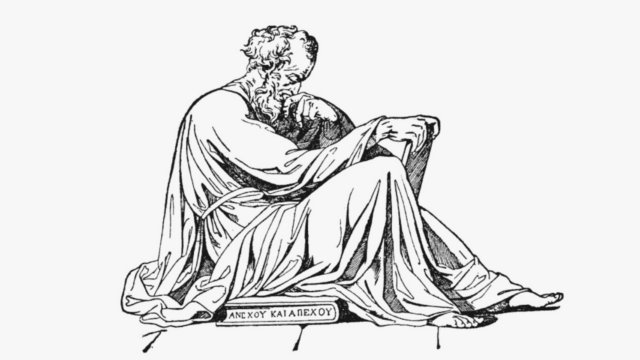
New to philosophy? Start here.
A short, guided way into the big questions and the people who asked them.